Between Waterloo and Woking: Six Short Arabic Novels for the Commute

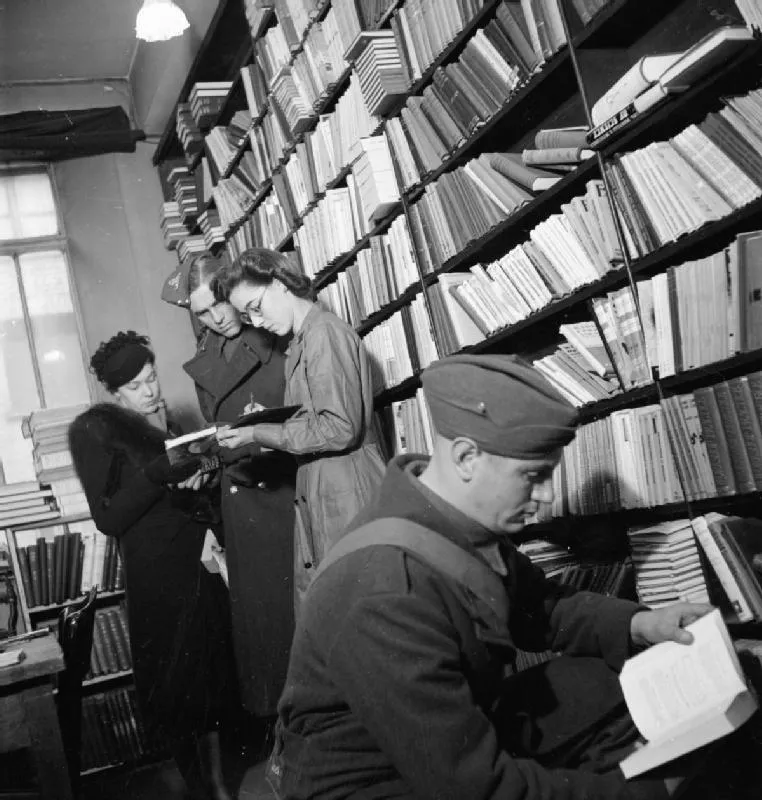
Photo: oatsy40, CC BY 2.0, via Wikimedia Commons
The 07:42 to Waterloo is not a reading room. It is a warm carriage, a seat you have to fight for, and a phone that keeps buzzing. But a short novel can still work there. The trick is to choose books with short chapters, strong voices and a shape you can hold in your head between stations. These six Arabic novels and novellas in translation are all under about 225 pages, all available in the UK, and all substantial enough to leave a mark after you close the cover at Waterloo.
All six are in print in the UK. Ask your local indie to order them — Daunt Books, News from Nowhere in Liverpool, Golden Hare in Edinburgh and Bookhaus in Bristol are all good bets — or reserve them through your council library service. Bookshop.org UK lets you send the sale to an independent shop. And if your library does not have a copy, ask about interlibrary loans; it is a boring name for a very useful service.
1. Season of Migration to the North — Tayeb Salih, translated by Denys Johnson-Davies
The hook: a narrator returns to a Nile village and becomes obsessed with Mustafa Sa’eed, a man who went to London, married English women and came back with a story that will not sit still. It is a colonial novel turned inside out, and it moves like a thriller even when it is thinking.
The texture: Johnson-Davies’s translation is restrained and cadenced, with short chapters that often end on a turn. You can read a chapter between Waterloo and Clapham Junction and still feel the sand under your feet.
Find it: NYRB Classics, around 169 pages. Order through any UK indie or reserve it at your library.
2. The Wedding of Zein — Tayeb Salih, translated by Denys Johnson-Davies
The hook: Zein is the village laughingstock, a man with a strange laugh and a knack for surviving other people’s contempt. Then a wedding comes, and the village has to decide what it really thinks of him. It is warm, sly and very funny — a reminder that Arabic fiction is not all checkpoints and grief.
The texture: the prose has the rhythm of oral storytelling, with a narrator who enjoys the sound of his own voice. The chapters are short and the jokes are dry. Perfect for a commute because you can leave it mid-laugh and pick it up again.
Find it: NYRB Classics, around 136 pages. Ask at your local indie or look for it in the fiction section of a good library.
3. Minor Detail — Adania Shibli, translated by Elisabeth Jaquette
The hook: the novel has two halves. The first is set in 1949 and circles a crime in the desert. The second follows a woman in the present who becomes obsessed with the file. It is a short book about the long life of violence, and it is structured like a trap.
The texture: Jaquette’s translation is cool, precise and deliberately flat in places, which makes the moments of heat stand out. The sections are short. You can read one half on the way in and the other on the way home, though you may not want to.
Find it: Fitzcarraldo Editions, around 112 pages. Fitzcarraldo titles are widely stocked in UK indies and library systems.
4. The Bleeding of the Stone — Ibrahim al-Koni, translated by May Jayyusi and Christopher Tingley
The hook: a Bedouin hunter lives in the desert with his son and a herd of addax. When a stranger arrives looking for meat and money, the novel turns into a fable about greed, landscape and the stories we tell about animals. It is short, mythic and a little wild.
The texture: the translation is spare and lyrical, with a desert rhythm that slows your pulse. The chapters are short enough to read standing up if you have to. It is the kind of book that makes the 07:42 feel briefly enormous.
Find it: Interlink Books, around 180 pages. Indie bookshops can order it; libraries may hold it in翻译 collections or via request.
5. The Corpse Washer — Sinan Antoon, translated by Sinan Antoon
The hook: Jawad comes from a family of Baghdad undertakers. He wants to be an artist, but the war keeps pulling him back to the mortuary. It is a novel about work, fathers and the surreal logistics of death in a city that will not stop.
The texture: Antoon’s self-translation is direct and darkly comic, with short scenes that land like punches. It is not a cheerful commute read, but it is a gripping one — and the brevity keeps it from becoming a slog.
Find it: Yale University Press, around 200 pages. Available through UK indies and university library collections.
6. The Queue — Basma Abdel Aziz, translated by Elisabeth Jaquette
The hook: a man is told he needs a permit from the Gateway. He joins the queue. The queue becomes a street, then a society, then a way of life. It is a deadpan dystopia about bureaucracy, fear and the strange dignity of waiting.
The texture: Jaquette’s translation is flat and precise, which makes the absurdity funnier and the horror sharper. The chapters are short and the premise is easy to hold in your head between stations.
Find it: Melville House, around 224 pages. Ask at your local indie or check your library’s online catalogue.
Sidebar: How to read translated fiction in 20-minute stretches
Read one chapter, not one page count. A chapter is a natural stopping point, and short novels are built out of them.
Keep a bookmark and a pencil. Mark names, places, words you do not know. You do not have to look them up immediately; the bookmark is there to catch your place, the pencil to catch your curiosity.
Do not fight the gaps. A commute is full of interruptions. A short novel is not a fragile thing; it can survive a week of snatched reading. Let the gaps do some of the work.
Read the translator’s note first if there is one. It takes two minutes and often tells you what kind of English you are about to read.
Say the names aloud quietly. Transliterated Arabic names can look harder than they sound. A whisper is enough.
Finish in a week. One book over six commutes is a good pace. You are not trying to win a prize; you are trying to give a translated novel the same chance you would give a podcast.
The 07:42 will still be crowded. But a 120-page novel is a small act of resistance — and a good one.