September Is a Habit, Not a Law: How Arabic Fiction Ends Up in One Autumn Pile

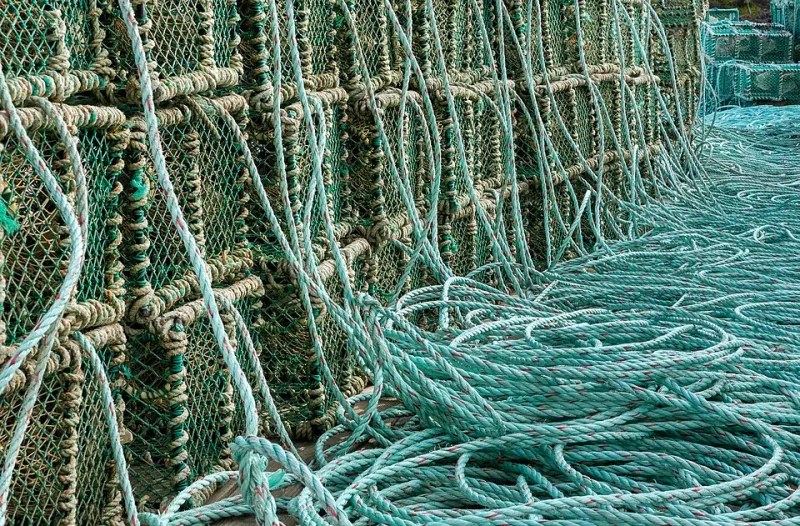
Photo by Photo by Declan Sun on Unsplash on Unsplash
There's a particular noise in a British bookshop in mid-September. Not the customers — the trolleys. All those new hardbacks going out at once, spines squared, tables rebuilt overnight, and somewhere in the middle of it a translated Arabic novel with a beautiful jacket and a fortnight to prove itself before the Christmas stock arrives and politely buries it.
If you've noticed that Arabic fiction in translation tends to arrive in a clump each autumn, you're not imagining it. But the clump isn't an accident of taste or a plot by publishers. It's a calendar doing what calendars do, and it's worth understanding if you want to find the books that don't get swept up in it.
First, the obvious bit: everything lands in autumn
September and early October are the busiest weeks of the UK publishing year, full stop. Publishers save their biggest fiction for the run-in to Christmas because that's when shops order deeply, reviewers pay attention and people buy gifts. The much-memed "Super Thursday" — the day in early October when an absurd number of hardbacks appear at once — is the extreme version of a general rule.
So Arabic fiction in translation isn't clustering because it's Arabic fiction. It's clustering because it's fiction, and fiction clusters. The interesting question is why the cluster is so tight on this particular shelf, and why so many of these books seem to have a hard cut-off point around late November.
Translators don't work to the retail calendar. They work backwards from it.
A translated novel takes years. Not months — years. There's the rights deal, the sample, the translator's schedule, the edit, the second edit, the copy-edit where somebody finally decides whether that word should be rendered in dialect or in standard, the proofs, the blurbs, the jacket.
Work backwards from a September 2026 publication date and you're often talking about a translator finishing a first draft in 2023 or 2024, with the whole chain leaning on a slot the publisher has already pencilled into a schedule. Once a book is in that slot, moving it is expensive and unpopular. Which means the schedule itself is doing the deciding, not the quality of the book or the mood of the market.
There's a funding angle too. Translation grants — the kind administered by English PEN, by the Sheikh Zayed Book Award's translation programme, by various cultural bodies — run to their own deadlines. A grant that lands in the spring of one year can push a book towards the autumn of the next. Nobody planned a traffic jam. Everyone just aimed at the same window because that's where the light was.
The prizes have a rhythm, and the rhythm is spring
Here's the irony. The prize cycle that everyone says drives autumn sales actually happens mostly in spring.
The International Booker longlist arrives in the spring, the shortlist not long after, the winner in May. The Banipal Prize for Arabic literary translation announces in the autumn, which sounds like a September trigger but is really a September result. The Arabic Fiction Prize runs to its own calendar entirely.
What that means in practice is that a novel which does well on a spring longlist often gets a paperback in the autumn — a second bite, a new jacket, a table in Waterstones with a sticker on it. So the autumn shelf is half new arrivals and half second acts, and the second acts are frequently the better buy.
Bookshops order in a rhythm too, and it's not yours
Independent booksellers order translated fiction cautiously and intelligently. They'll take two or three copies of something they believe in and wait to see what happens. Chains order by algorithm and by category performance, which is why the same five Arabic novels show up in every branch and the sixth is nowhere.
Autumn makes this worse because everyone's budget is stretched across more titles. A bookseller in Bristol or Bradford has maybe forty new novels competing for the same three metres of table. The Arabic novel that arrives in September is fighting for space against the year's biggest commercial fiction. The one that arrives in February is fighting against almost nothing.
What the September pile is actually good for
None of this is a reason to ignore the autumn cohort. It's the best chance all year to see translated Arabic fiction reviewed in the national papers, stacked face-out, and discussed on the sort of radio programmes that still have books on them. If a novel gets momentum in September, it can carry through to January.
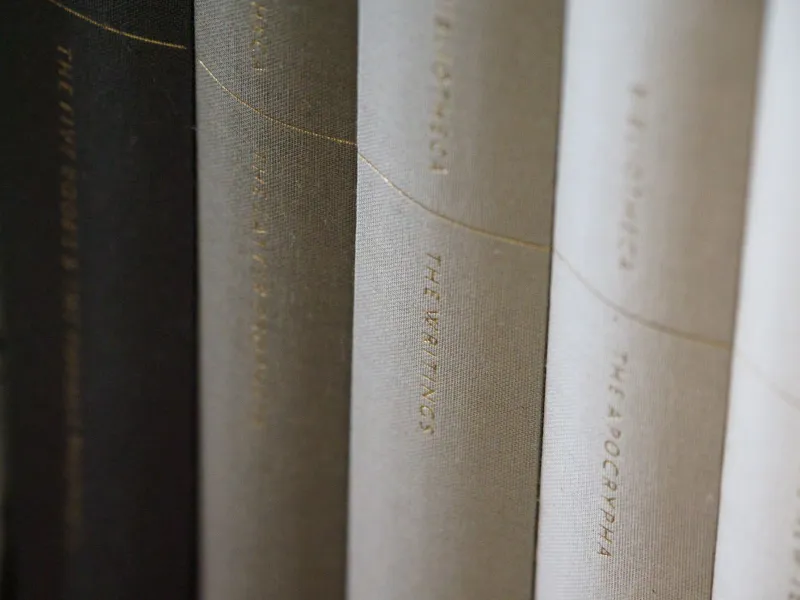
It's also gift season, which means hardbacks with lovely production values — the cloth spine, the ribbon, the endpapers that look like a tile pattern from Fez. If you're buying for someone curious about Arabic writing and you want a physical object that feels like an occasion, this is the moment.
How to shop around the calendar
The practical bit. Four habits worth building.
Buy the paperback of last autumn's hardback. It's cheaper, it's usually corrected, and it often comes with a new introduction or a reading-group section. You're not late; you're just on a different schedule.
Watch the spring longlists, not the autumn tables. A book that made a longlist in April and appears on a shelf in October has already been vetted by people who read a great deal. Use the list as a shopping list, not as a news event.
Follow three small presses rather than one big one. The independents publish Arabic fiction year-round because they can't afford to compete in September. Their January and May lists are where the odd, excellent, un-marketed stuff lives.
Ask your library. Acquisitions happen in their own cycle, often in the quieter months, and a request from a borrower carries real weight. More on that elsewhere on this site — but the short version is that a request in March can put a novel on a shelf in June that no shop in town would have risked in September.
The shelf is a schedule, and schedules can be argued with
There's a temptation to read the September pile as a verdict — as if the books that arrive then are the ones that matter and everything else is filler. That's backwards. The pile is an administrative outcome, shaped by translation lead times, grant deadlines, prize calendars and the fact that British retail has decided Christmas starts in October.
The books that will still be talked about in five years are frequently the ones that arrived in a quiet month with no table and no sticker, and got passed around by hand. If you want to find those, the trick isn't to shop harder in September. It's to keep shopping in February.